
Home / Eye exams
Comprehensive eye examsAn eye exam checks more than your eyesight.
Every exam at Webb has two halves: how well you see, and how healthy your eyes are. The second half is the one that catches things early, and it is the half a vision screening never does.
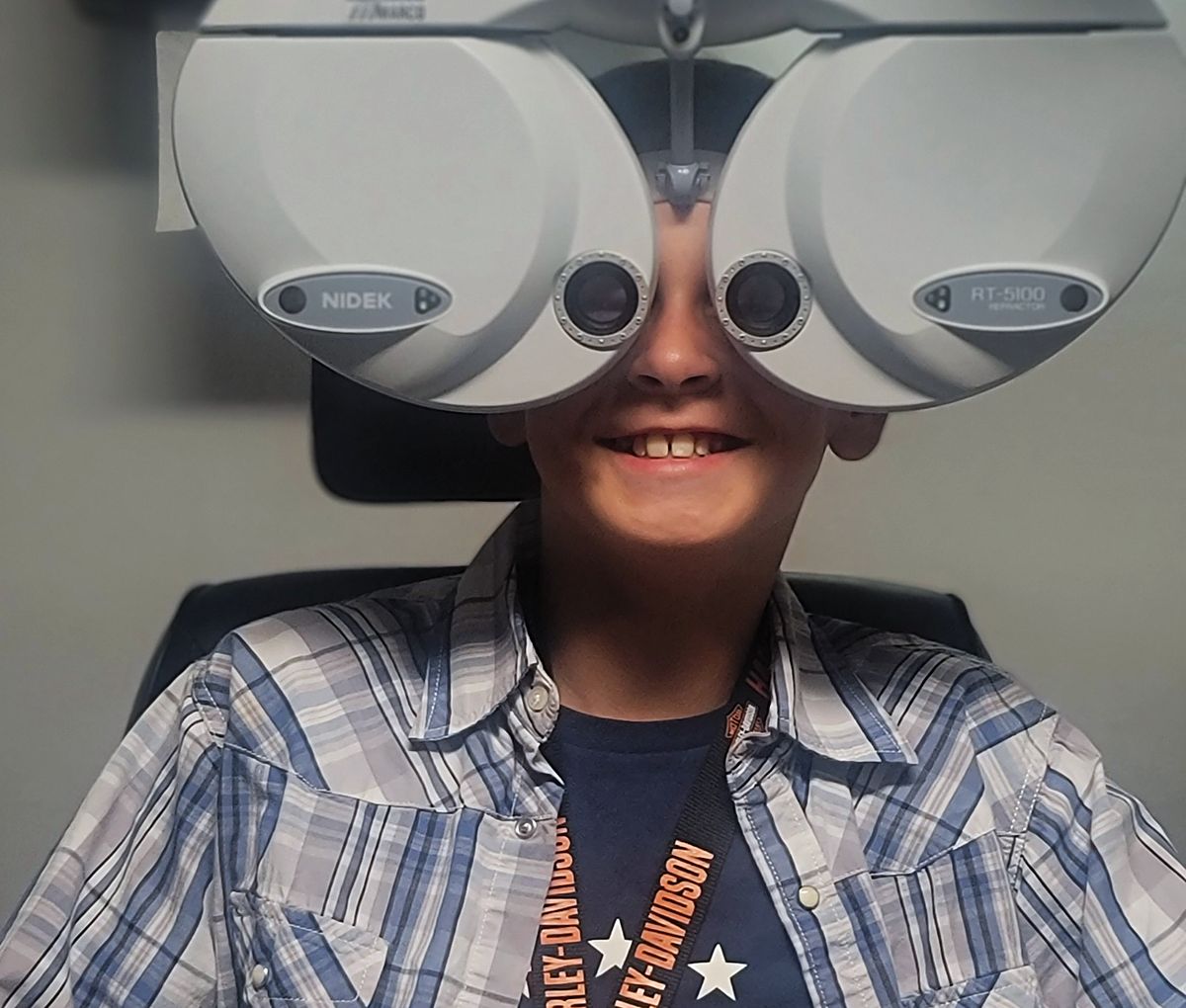
What we are actually looking at.
Most people think of the eye exam as the part with the letters on the wall. That is half of it.
How well you see
We measure your prescription precisely: distance, near, and the focusing and teaming your eyes do between the two. This is where glasses, contacts, and reading correction come from.
How healthy your eyes are
Using diagnostic imaging and screening equipment, we check the structures inside the eye for conditions that do not hurt and do not blur your vision until they are advanced.
Things you cannot feel yet.
- Glaucoma: usually painless, and it takes peripheral vision first.
- Macular degeneration: age-related changes to central vision.
- Cataracts, the gradual clouding behind glare and night halos.
- Diabetic retinopathy: damage from diabetes, often before symptoms.
- Retinal holes and tears, which need attention quickly.
- And more: infections, injuries, and the ocular signs of general health.
If we find something, we explain it in plain language, tell you whether it needs treatment now or watching over time, and handle it here. Most medical eye care does not need a referral out of town.
Your visit, start to finish.
-
Check in and history
Plan on 45 to 60 minutes for a first visit. We ask what you have noticed, what you do all day, and about health conditions like diabetes or high blood pressure.
-
Testing with a technician
Imaging and screening measurements before you see the doctor. Nothing here hurts, and our techs tell you what each machine does.
-
Time with your doctor
Your prescription, the health of the front and back of the eye, and a conversation about what we found. This is the part nobody rushes.
-
What happens next
Glasses, contacts, a specialty clinic, treatment, or simply “see you next year.” You leave knowing which one and why.
The whole family, in one trip.
You can book yourself and your kids back to back at the same clinic, with the same team.
- Children, including the exam a school screening cannot replace. Here is the difference.
- School-age and teens: reading, screens, sports, and prescriptions that change fast.
- Adults: screen-heavy days, contact lenses, and the first reading changes.
- Older adults: cataracts, glaucoma and macular changes, monitored over time.
- Diabetic eye exams, the annual exam your primary care doctor asks for.
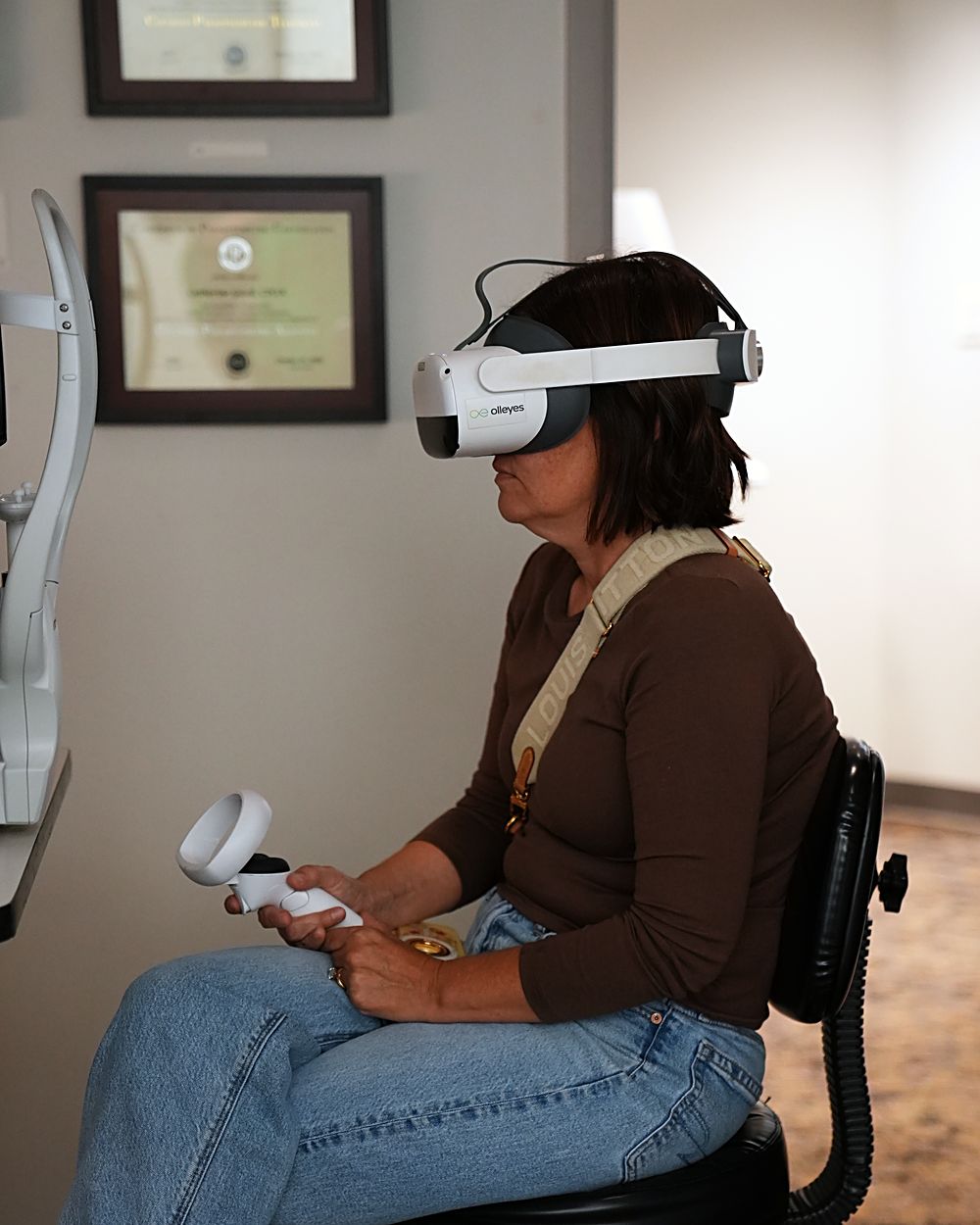
Every year or two, and yearly for some.
Every one to two years is the general guideline for adults. Come sooner if something changed: new blurring, headaches, eye strain, floaters or flashes, or a prescription that stopped working.
Children, adults over 65, contact lens wearers, people with diabetes, and anyone being monitored for glaucoma or macular changes should come every year, sometimes more often. Your doctor tells you which applies to you before you leave.
Eye exams, answered plainly.
How long does an eye exam take?
Plan on 45 to 60 minutes for a first visit, and a little less for a returning patient. If you are bringing the whole family, tell us when you book and we will schedule the time.
Will my eyes be dilated?
Sometimes. It depends on what your doctor needs to see and on your health history. Bring sunglasses in case, and if dilation would be a problem for your day, tell us when you book and we will plan around it.
Is this billed to vision or medical insurance?
A routine exam usually goes to vision insurance. If we are evaluating or managing a medical condition (diabetes, glaucoma, an infection or an injury) that visit is usually billed to medical insurance. Our team reviews your plan before you decide. See accepted plans.
Do I need an exam if I already know my prescription?
A prescription expires, and the health half of the exam is the half a prescription cannot tell you about. Glaucoma and diabetic changes do not blur your vision until late.
My child passed the school screening. Do they still need an exam?
Yes. A screening checks distance eyesight at one moment; it does not check focusing, eye teaming, or eye health. We wrote the whole explanation here.
What should I bring?
Current glasses and contacts, your insurance cards, a list of medications, and any teacher notes for a child’s visit. The full list is on the new patients page.
An hour of your time, for eyes you only get once.
Scottsbluff, Alliance, or Bridgeport. Same team, same records, whichever door is easiest.