
Home/Specialty clinics/Myopia control
Myopia controlWhen the prescription climbs every single year.
Myopia (nearsightedness) means your child sees well up close but struggles at distance. Stronger glasses correct it. Myopia control aims to slow how fast it progresses.
Signs parents notice first.
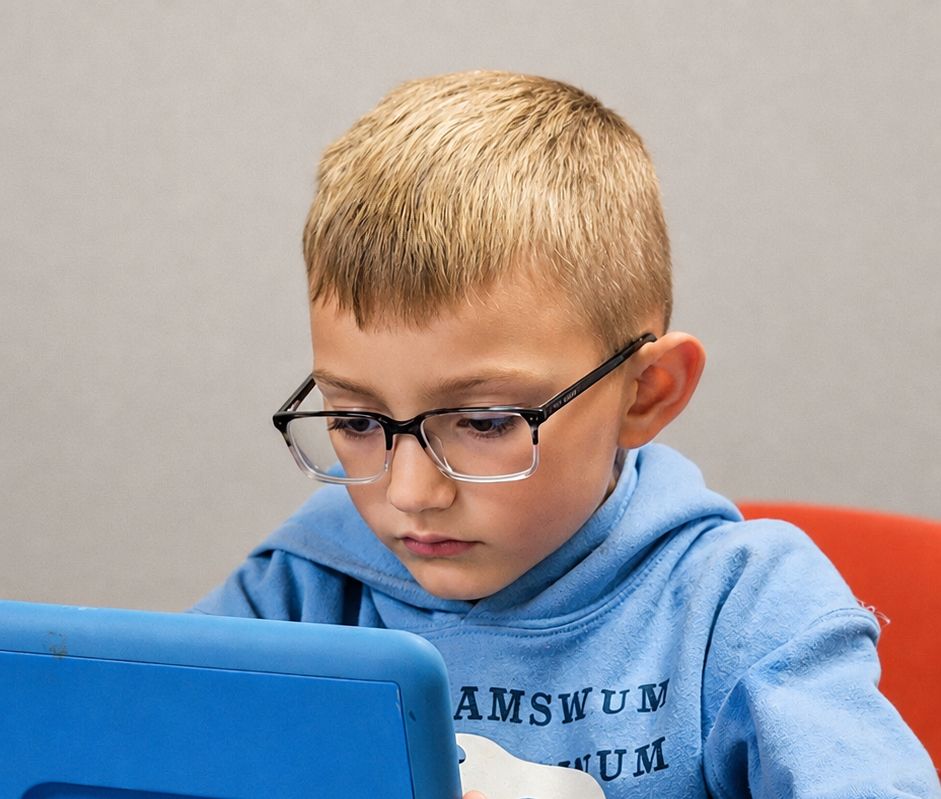
Some signs are easy to miss. The common ones:
- Squinting to see the board or the TV
- Moving closer and closer to books and screens
- Complaining they cannot see far away
- Asking to sit at the front of the classroom
- Headaches or eye strain after distance viewing
- A glasses prescription that gets stronger each year
If any of these sound familiar, it is worth asking whether myopia control might help: earlier is usually better, especially while the prescription is changing quickly.
A plan to manage it, not just keep up.
We start with a detailed eye exam to measure your child's vision and eye health, and look at how quickly the prescription has been changing.
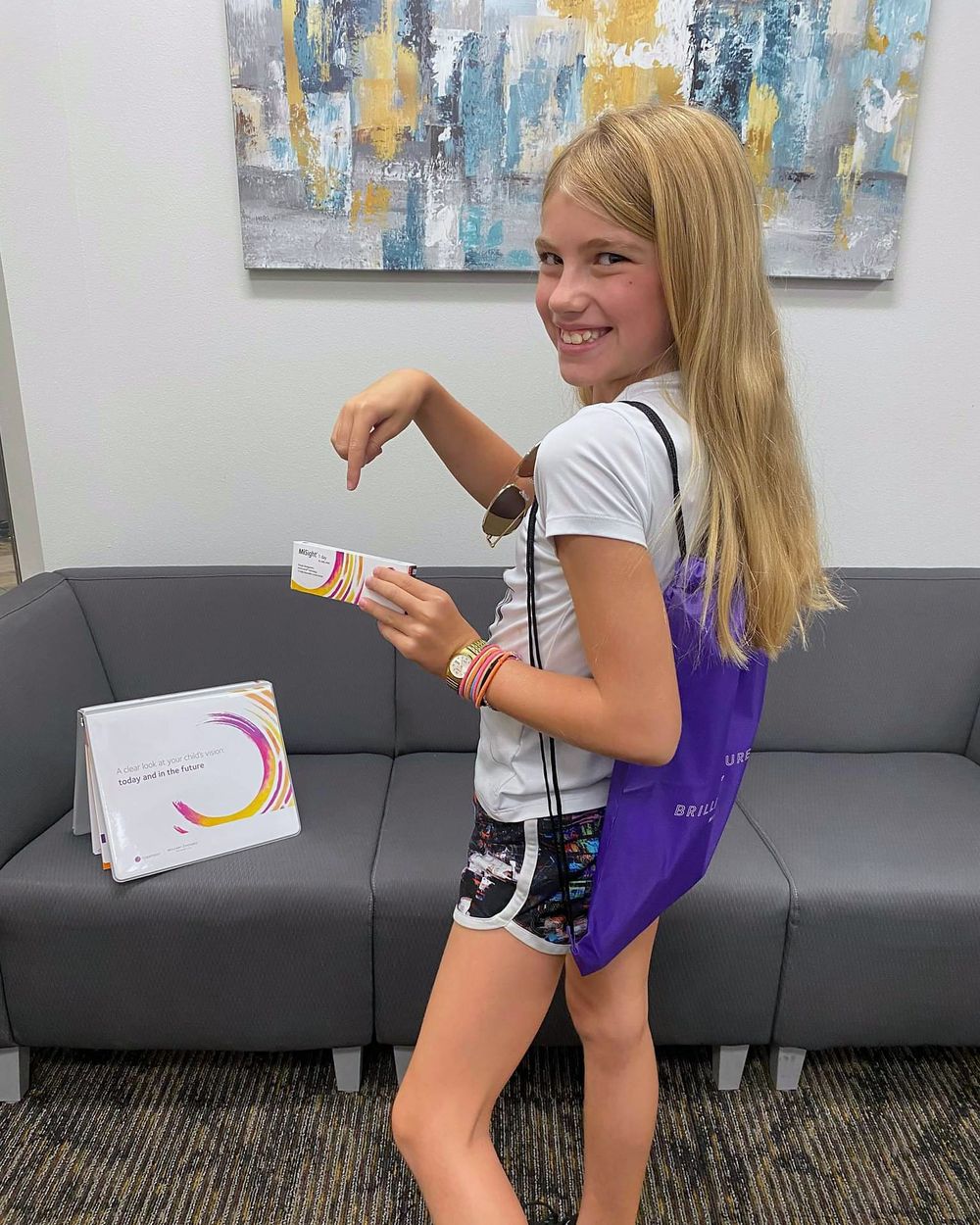
Based on age, prescription, lifestyle, and eye health, options may include specially designed glasses or contact lenses for myopia management, guidance on healthy visual habits and outdoor time, and a monitoring schedule to track changes.
We explain every option in plain language: what it does, what to expect, and how it fits your family's routine. Rapid prescription changes in childhood can raise the risk of some eye problems later in life, which is why slowing progression matters.
How it works, step by step.
-
Comprehensive eye exam
We measure how clearly your child sees and check overall eye health.
-
Myopia risk discussion
Family history, how fast the prescription has moved, and your child's daily visual habits.
-
Options, explained
How each choice works, how often it is worn or used, and what follow-up looks like.
-
Your family decides
You choose what feels right. We answer questions about comfort, cost, and care, no rushing.
-
Ongoing follow-up
Regular visits measure the prescription and make sure the plan is working.
The options, and how we choose.
Myopia control is not a single product. Your doctor looks at your child’s prescription, age and daily routine, builds a plan around one of these, and checks at every visit whether it is doing what you hoped.
- MiSight 1 day: a daily disposable soft contact lens made for children, worn during the day and thrown away at night. How MiSight works
- Stellest: a spectacle lens worn like any other pair of glasses, for children who are not ready for contacts. How Stellest works
Which one fits your child is a conversation with your doctor, not a decision you need to make before you come in.
Myopia control, answered plainly.
Does my child still need glasses or contacts?
Most children in myopia control still wear correction to see clearly. The program manages how quickly the prescription changes over time.
Can myopia be cured?
No, but its progression may be slowed with treatment. The goal is protecting your child's long-term vision.
When should we start?
Earlier is often better, especially for younger children whose prescriptions are changing quickly. Your doctor will explain timing after the exam.
Is it safe?
The options we recommend are well-studied and commonly used for children. We review benefits, risks, and proper care before starting anything.
Does insurance cover myopia control?
Coverage varies and some parts may be self-pay. Our team helps you understand expected costs and payment options before you commit.
Worried about your child’s nearsightedness?
You do not have to wait and wonder what next year's prescription will be. Our team can walk you through the options and help you choose a plan that fits your family.