
Home/Specialty clinics/Medical eye care
Medical eye careSome eye problems are more than a prescription change.
Cataracts, glaucoma, diabetes-related changes, infections and injuries need medical attention from an eye doctor. We diagnose, treat and monitor them here, in a warm, local setting instead of a three-hour drive.
Referring a patient for cataract surgery? Surgery consult form (PDF)
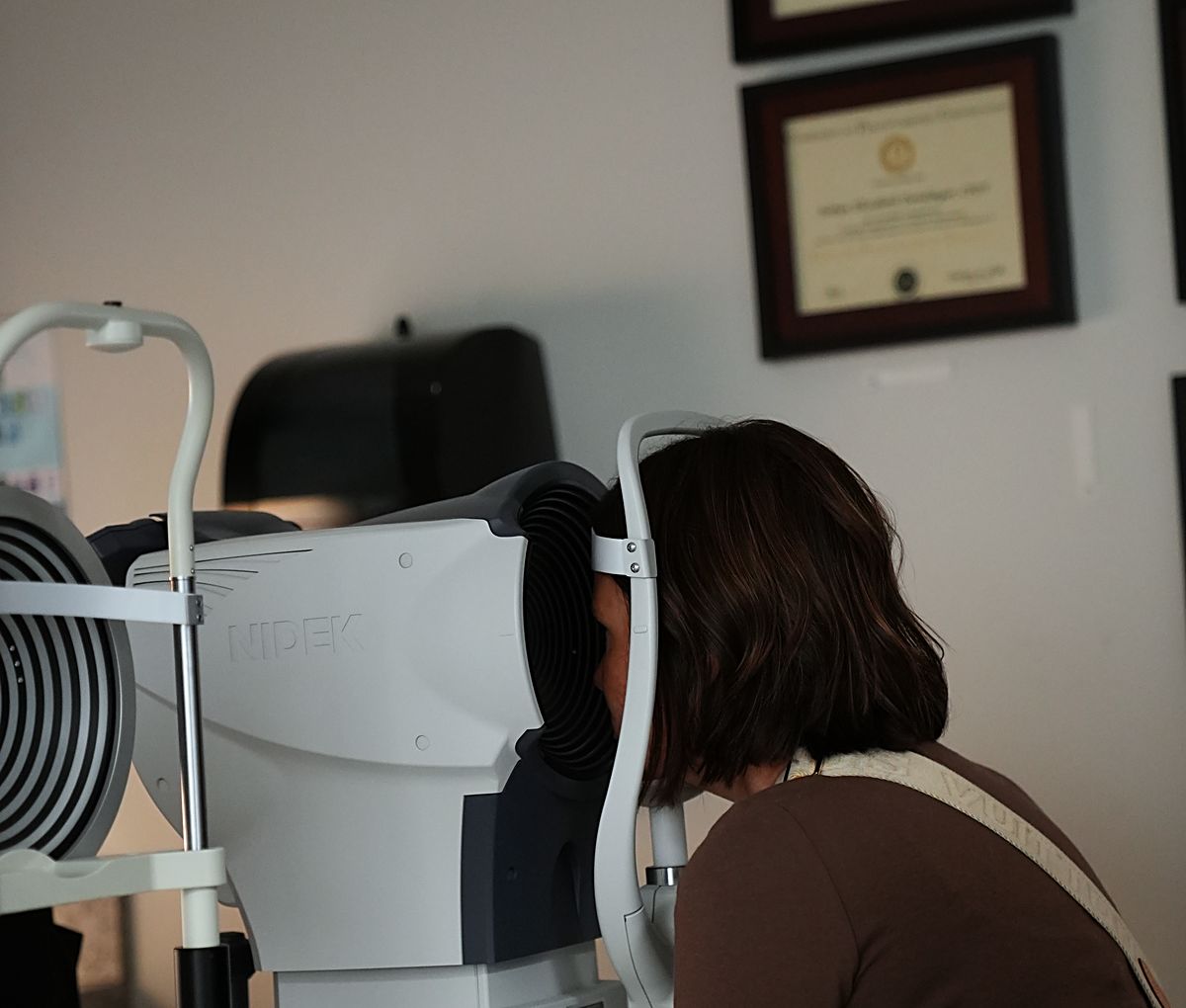
When to book a medical eye visit.
Schedule a medical visit, or call us to help you decide, if you notice:
- A sudden change in vision or new blurry spots
- Flashes of light or new floaters
- Eye pain, pressure, or severe headache around the eye
- Redness, discharge, or a possible infection
- An injury, or something stuck in the eye
- Increasing glare or cloudy vision, especially at night
- Halos around lights
- Diabetes, and it has been over a year since your last exam
- A family history of glaucoma or other serious eye disease
If you are unsure whether it is “urgent enough,” call. Our team will help you decide the right next step, and if you have sudden vision loss, a serious injury, or extreme pain, go to emergency care immediately.
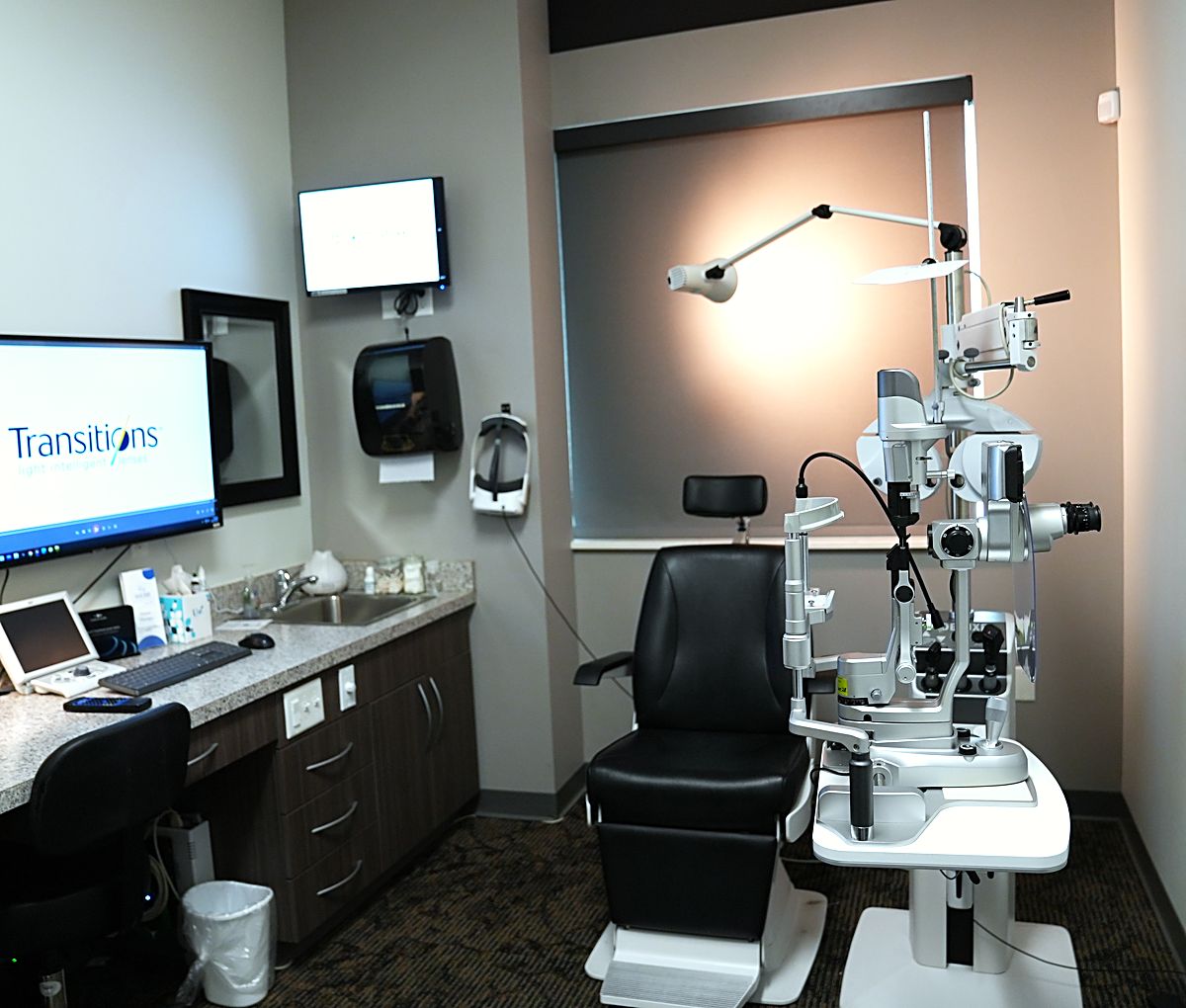
Complete medical care, under one roof.
Our optometrists diagnose and manage cataracts, glaucoma, diabetes-related eye changes, age-related macular changes, infections like pink eye, injuries and foreign bodies, and sudden vision changes that need urgent evaluation.
We use modern testing and imaging to understand what is happening inside the eye, then explain your options in simple language.
When surgery or additional treatment is needed (cataract surgery, LASIK) we co-manage with trusted specialists: we guide you to the right surgeon and handle your follow-up visits locally, so you are never navigating it alone.
How it works, step by step.
-
History and symptoms
We start by listening: what you are noticing, how long, and any health conditions like diabetes or high blood pressure.
-
Thorough eye exam
Vision, eye pressure, and the front and back of the eye, with imaging when needed.
-
A simple explanation
Your doctor walks you through what we found and what it means for your vision and health.
-
Treatment and follow-up plan
Medicines, in-office care, lifestyle guidance, or co-management with a surgeon, and scheduled follow-ups to monitor.
Surgery close to home, follow-up even closer.
If you need surgery, you do not have to manage it alone or make every trip yourself. Your Webb doctor finds the problem, connects you with the right surgeon, and handles your follow-up visits close to home. The surgeon performs the procedure.
Surgical care we co-manage
These are the procedures your Webb doctor helps coordinate and follows up on locally. The surgery itself is performed by a specialist.
- Cataract surgery, the most common one we co-manage.
- Laser and refractive surgery, including LASIK.
- Strabismus surgery: for eyes that turn or drift.
- Other surgical care, with local hospitals, local eye surgeons, and out-of-town surgeons.

Cataract surgery, now available locally
We partner with Dr. Edward Stevenson and Box Butte General Hospital to bring cataract surgery to Alliance. There, Dr. Stevenson performs cataract surgery and pre-operative care. It means fewer long drives to a distant medical center for one of the most common procedures there is, with the surgeon's expertise and the hospital's facilities close to home.
Referring a patient?
Providers referring a patient for a cataract surgery consult in Alliance can use our surgery consult form.
Questions about pre-op or post-op care? Call the clinic nearest you and ask for the doctor. We would rather answer it now than have you guess.
Medical eye care, answered plainly.
Is this billed as a medical visit?
Many visits for cataracts, glaucoma, diabetes, infections, or injuries are billed to medical insurance rather than vision insurance. Our staff reviews your plan and expected costs before the visit.
When should I go to the ER instead?
Sudden vision loss, a serious eye injury, or extreme pain: seek emergency care immediately. Not sure? Call our office and we will help you decide.
I already see a specialist. Can Webb still help?
Yes. We often co-manage care, handling many follow-up visits locally while staying in close contact with your specialist.
I have diabetes. How often do I need an eye exam?
Most people with diabetes need a dilated eye exam at least once a year, sometimes more often. We will recommend a schedule that matches your situation.
Do I need a referral?
In most cases, no. You can call or request an appointment directly. If your insurance requires a referral, we will help you sort that out before you come in.
Noticing something that doesn’t look right?
The safest move is to get checked. Our doctors in Scottsbluff, Alliance, and Bridgeport are ready to find out what is going on and plan the next right step.